As the season’s first snow blanketed the ground, Devi wrapped herself in a soft woolen shawl, sipping a warm, spiced drink her grandmother had taught her to make. “This is the time to nourish your body, mind, and soul,” her grandmother had often said. Early Winter, known as Hemanta Ritu in Ayurveda, is a season of strength and vitality if you follow nature’s rhythms.
Rooted in the ancient teachings of the Charaka Samhita and other Ayurvedic texts, the practices for winter can keep us balanced, warm, and rejuvenated. Here are seven Ayurvedic tips to stay healthy this winter, with references from classical texts and a delightful recipe to warm your soul.
According to Charaka Samhita, winter is a season of robust Agni (digestive fire) due to the cold weather drawing heat inward. This heightened Agni means our bodies can digest heavier, more nourishing foods. Ayurveda prescribes Hemanta Ritucharya as a routine to align with this season’s natural energy.
In winter, Ayurveda encourages indulgence in sweet, sour, and salty tastes, as these are grounding and warming. Referencing Ashtanga Hridaya Sutrasthana, focus on foods that build Ojas (vital energy) and support immunity.
Even in the cold, it’s vital to stay hydrated. The Sushruta Samhita emphasizes the importance of maintaining moisture in the body during dry seasons. Herbal teas infused with warming spices like ginger, cardamom, and fennel can combat dryness and support digestion.
Spices are central to Ayurvedic winter care as they enhance Agni and protect against seasonal illnesses. As Charaka Samhita Chikitsa Sthana notes, spices not only aid digestion but also strengthen Rasadhatu (the essence of food).
Mix all the spices and store them in an airtight jar.
Warm the milk and mix in the spices and ghee. Simmer for 5 minutes, then sweeten as desired. Sip this drink at night to soothe Vata and Kapha.
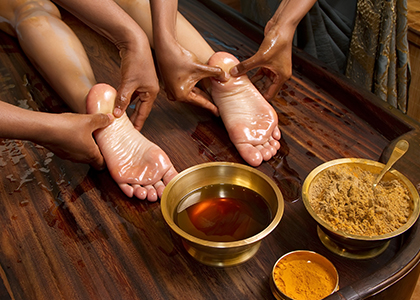
Winter’s dry air can sap moisture from the skin, aggravating Vata and Kapha. Following the principles of Dinacharya (daily routine), Ayurveda suggests nurturing the skin with specific oils and herbal treatments.
While winter encourages rest and nourishment, exercise is crucial to maintaining Kapha balance. According to Ashtanga Hridaya, activities that produce moderate sweating help eliminate toxins.
Rasayanas are rejuvenative formulations mentioned in the Charaka Samhita to build Ojas. Winter is the ideal time to incorporate these tonics.
Winter is also a time for introspection and rest. Just as nature slows down, Ayurveda encourages us to use this season to replenish our inner reserves. The Bhagavad Gita emphasizes the balance of activity and rest, and winter is an ideal season to focus on meditation, journaling, and restorative practices.
Devi’s grandmother’s wisdom, much like the ancient Ayurvedic texts, reminds us to honor the natural flow of seasons. Winter, though cold and often harsh, is a season of strength and rebuilding if approached with care and awareness. By embracing the wisdom of Ayurveda and incorporating these tips, you can transform this season into a time of nourishment, warmth, and vitality.With the guidance of timeless teachings from the Charaka Samhita and other classics, let this winter be one of radiant health and joy. Remember, as the seasons change, so must we. Adapt your lifestyle, honor your body, and find beauty in nature’s cycles.